Master Moroccan Couscous Recipes: Authentic Flavors & Simple Techniques
By Olivia Turner | March 15, 2024 | 7 min read | recipe
Want to bring the vibrant flavors of North Africa to your dinner table tonight?
Moroccan couscous recipes represent one of the world's most versatile and delicious culinary traditions. Whether you're preparing a weeknight dinner or impressing guests, these authentic moroccan couscous recipes offer incredible flavor with surprisingly simple preparation. Our comprehensive guide walks you through ingredient selection, essential cooking techniques, and professional tips that ensure perfect results every time.
📋 Table of Contents
▼
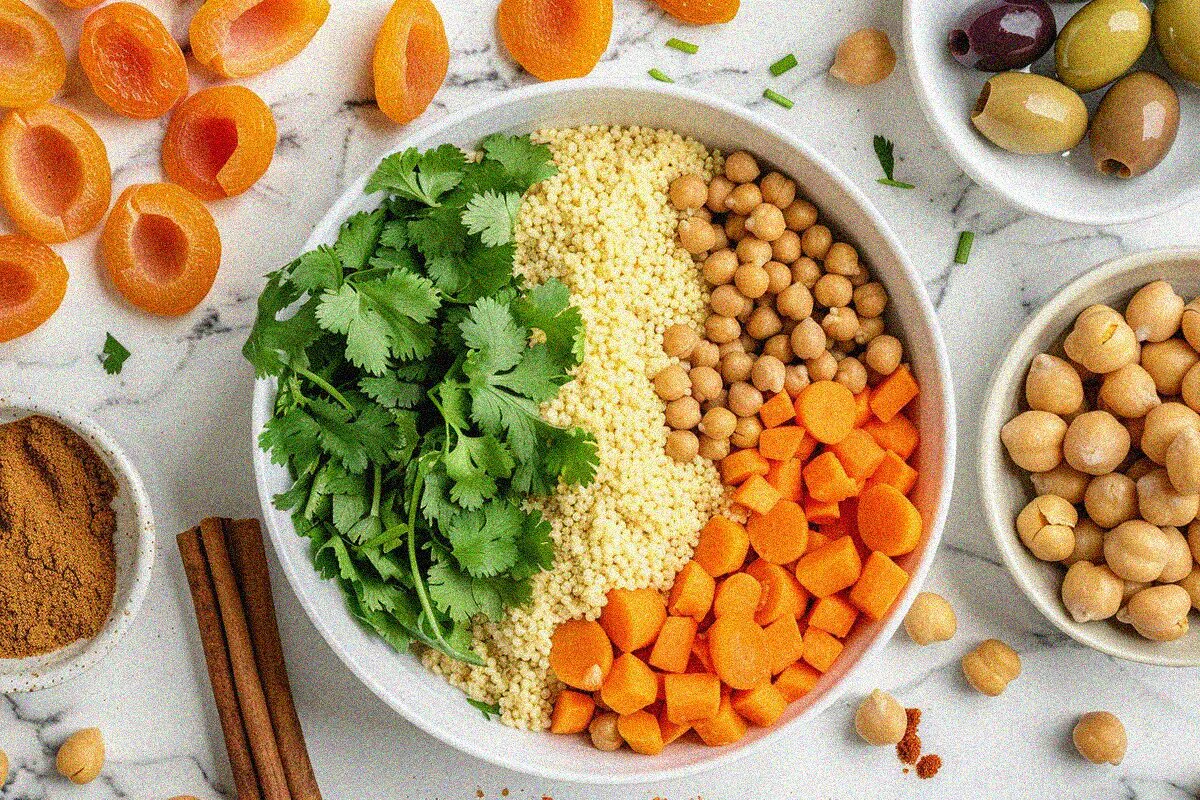
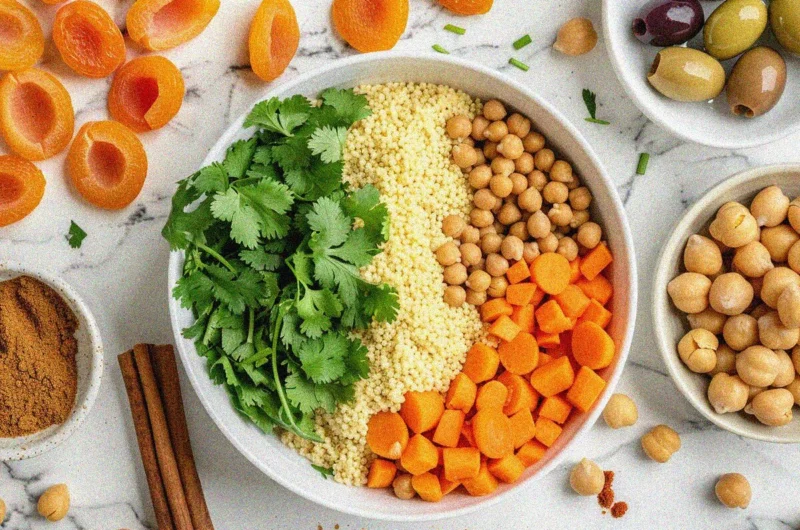
Essential ingredients for authentic moroccan couscous recipes arranged in traditional style with warm spices and fresh herbs
🎯 Why Moroccan Couscous Recipes Stand Out
Moroccan couscous recipes have captivated food lovers worldwide for centuries. These dishes combine ancient culinary traditions with accessible modern techniques, creating meals that taste complex yet remain surprisingly easy to prepare.
The Perfect Balance of Spices and Ingredients
What makes moroccan couscous recipes exceptional is their sophisticated spice profile. However, the spices used are typically found in most grocery stores. Additionally, the combination of warm spices like cinnamon, cumin, and ginger creates depth without overwhelming the palate. Furthermore, fresh vegetables provide bright flavors that complement the warm spice base perfectly. In fact, this balance is what distinguishes authentic moroccan couscous recipes from ordinary grain dishes.
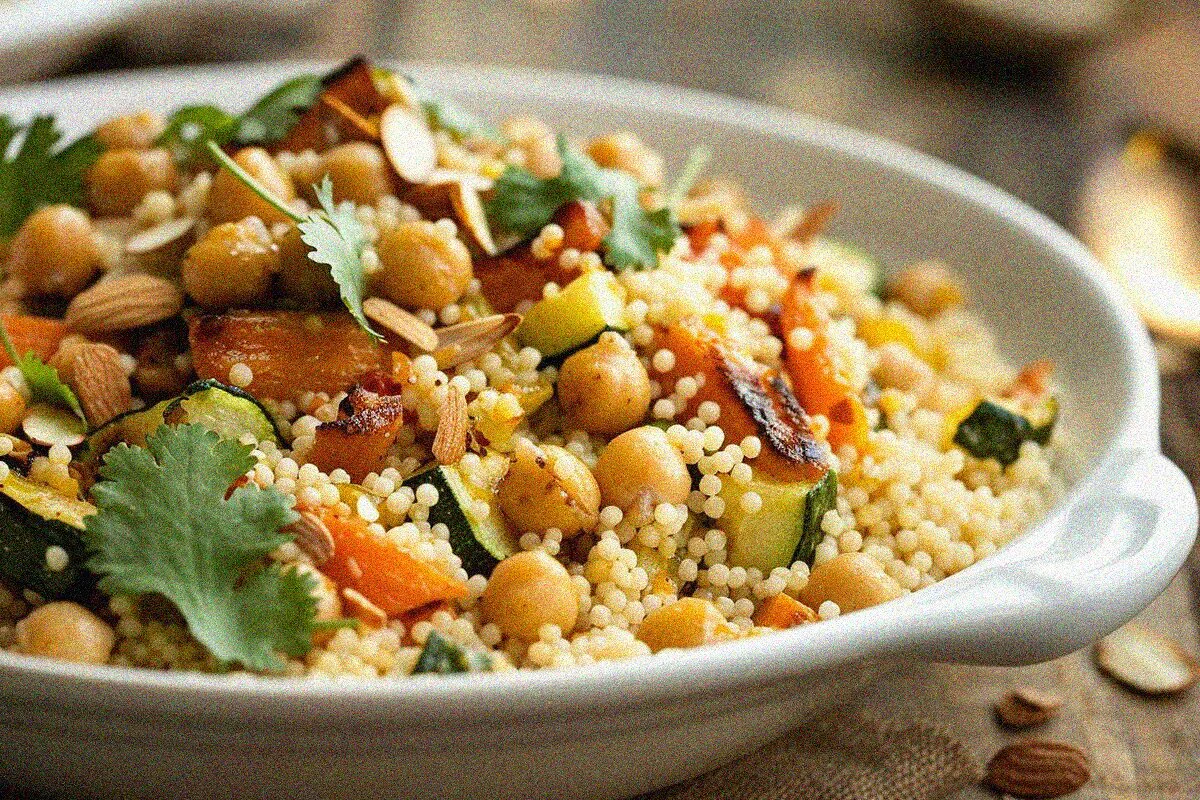
The finished moroccan couscous recipes presentation: fluffy grains combined with colorful roasted vegetables and aromatic herbs
Cultural Significance and Modern Adaptability
Moroccan couscous recipes represent more than just food; they embody a rich cultural heritage spanning generations. Therefore, learning to prepare these dishes connects you to Moroccan traditions. Nevertheless, modern moroccan couscous recipes easily adapt to contemporary dietary preferences. For example, you can create vegan versions by substituting vegetables for meat, or add extra protein for more substantial meals. Consequently, these recipes remain relevant for today's diverse cooking needs.
- Uses warm spices that enhance rather than overpower flavors
- Combines tender vegetables with fluffy couscous grains perfectly
- Naturally vegetarian-friendly with chickpeas as protein source
- Requires minimal special equipment or cooking skills
- Easily adapted for various dietary restrictions and preferences
- Improves with time as flavors meld together
- Perfect for meal planning and batch cooking
- Delivers restaurant-quality results in under 45 minutes
🔍 Ingredient Selection Guide for Moroccan Couscous Recipes
The foundation of exceptional moroccan couscous recipes begins with quality ingredient selection. Learn how to choose, source, and prepare each component to maximize flavor and authenticity.
Selecting Premium Couscous and Spices
When preparing moroccan couscous recipes, couscous quality matters significantly. Therefore, choose whole wheat or pearl couscous from reputable brands. Additionally, purchase spices from specialty markets or online retailers that specialize in Moroccan ingredients. Specifically, look for whole spices rather than pre-ground options, as they maintain superior flavor. Moreover, fresh spices should have vibrant color and strong aroma when opened. In particular, cumin, cinnamon, and coriander form the backbone of authentic moroccan couscous recipes.
✅ Advantages
- Premium couscous provides superior texture and flavor in moroccan couscous recipes
- Whole spices deliver more authentic taste and longer shelf life
- Specialty ingredients ensure cultural authenticity
- Quality vegetables cook more evenly and taste better
- Fresh herbs add brightness to finished moroccan couscous recipes
- Sourcing from specialty markets supports traditional producers
- Better nutritional content in whole, unprocessed ingredients
❌ Disadvantages
- Premium ingredients cost more than conventional supermarket options
- Specialty spices may require shopping at multiple stores
- Whole spices need grinding or toasting before use
- Fresh herbs have shorter shelf life than dried alternatives
- Specialty markets may not be convenient for all locations
- Requires more advance planning for ingredient sourcing
- Unfamiliar brands may require research before purchasing
👨🍳 Essential Cooking Techniques for Perfect Moroccan Couscous Recipes
Mastering proper cooking techniques elevates moroccan couscous recipes from good to exceptional. These time-tested methods have been perfected over centuries in Moroccan kitchens.
Toasting Spices and Building Flavor Layers
One critical technique in moroccan couscous recipes involves toasting whole spices before use. This process, called "blooming," releases essential oils and intensifies flavor dramatically. Therefore, heat a dry pan over medium heat for two minutes. Subsequently, add whole spices and toast for 1-2 minutes until fragrant. However, watch carefully to prevent burning. Additionally, this technique applies to all moroccan couscous recipes, whether traditional or modern variations. Consequently, this single step transforms ordinary spices into aromatic flavor powerhouses.
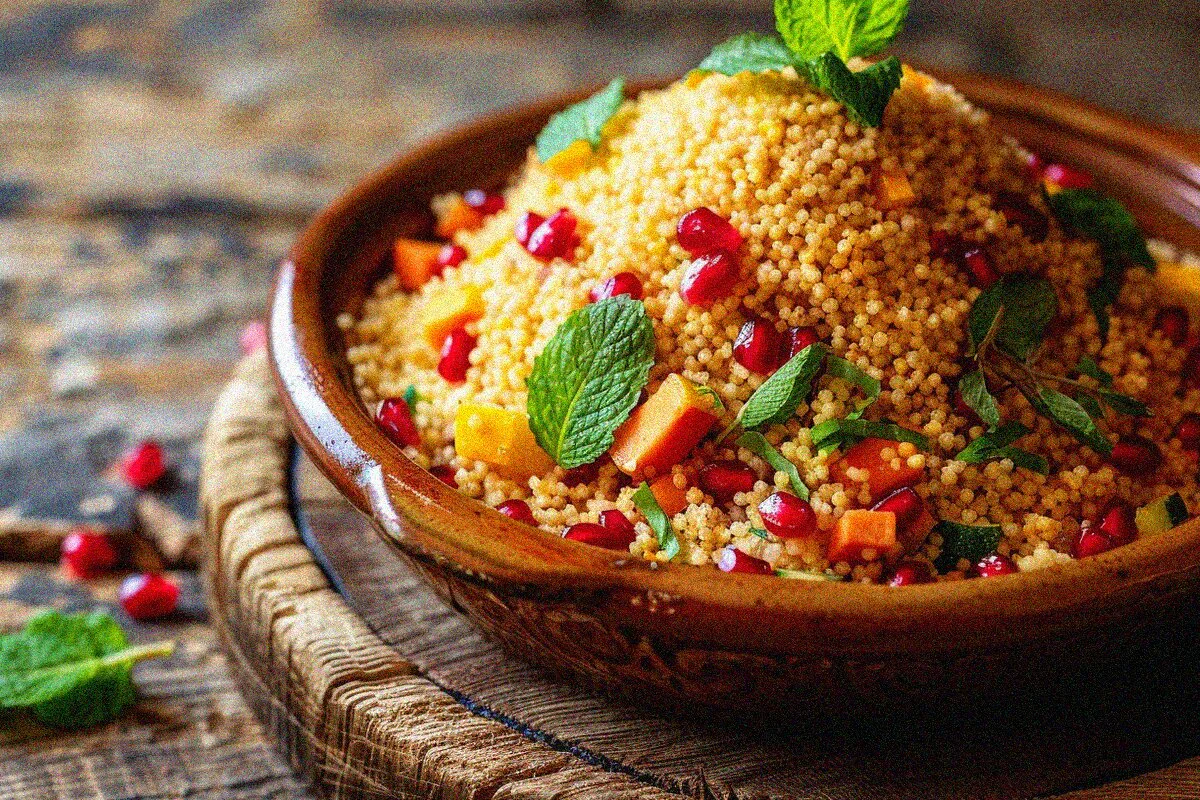
Traditional presentation of moroccan couscous recipes in authentic Moroccan tagine, demonstrating cultural serving style
Steaming Couscous and Achieving Perfect Texture
The traditional method for cooking couscous differs from simple boiling. Specifically, moroccan couscous recipes traditionally use steaming techniques that create fluffier grains. Meanwhile, modern home cooks can achieve similar results using the absorption method. Furthermore, proper liquid-to-couscous ratios ensure perfect texture every time. In fact, this technique is essential for successful moroccan couscous recipes. Therefore, follow precise measurements and resist stirring excessively during cooking.
- Toast whole spices in dry pan for 1-2 minutes until fragrant
- Use proper liquid-to-couscous ratio of 1.5:1 for optimal texture
- Let couscous rest covered for 10 minutes after cooking
- Fluff gently with fork rather than stirring aggressively
- Add fat (butter or oil) to couscous for richness and separation
- Layer vegetables and couscous for even flavor distribution
- Cook vegetables separately when using moroccan couscous recipes
- Combine all components just before serving for best results
🍳 Recipe Card: Authentic Moroccan Couscous Recipes
🥘 Ingredients
- 2 cups couscous (whole wheat or pearl)
- 3 cups vegetable or chicken broth
- 3 tablespoons olive oil
- 1 large yellow onion, finely diced
- 2 medium carrots, cut into 1/4-inch rounds
- 1 medium zucchini, cubed
- 1 can (15 oz) chickpeas, drained and rinsed
- 1 teaspoon ground cumin
- 1 teaspoon ground cinnamon
- 1/2 teaspoon ground coriander
- 1/4 teaspoon cayenne pepper (optional)
- 1 cup dried apricots, halved
- 1/2 cup golden raisins
- 1/4 cup fresh cilantro, chopped
- 1/4 cup sliced almonds, toasted
- Salt and black pepper to taste
- Pomegranate seeds for garnish (optional)
👨🍳 Instructions
- Prepare ingredients: Dice onion and carrots uniformly for even cooking. Cut zucchini into 1-inch cubes. Drain and rinse chickpeas thoroughly. Measure all ingredients before starting (mise en place). This preparation ensures smooth cooking without interruptions.
- Toast spices: Heat a dry skillet over medium heat for 2 minutes. Add cumin, cinnamon, and coriander. Toast for 1-2 minutes until fragrant, stirring constantly. Be careful not to burn spices as they become bitter quickly.
- Sauté aromatics: Add 2 tablespoons olive oil to a large, heavy-bottomed pot. Heat until shimmering. Add diced onion and cook for 3-4 minutes until softened and translucent. Stir occasionally to prevent browning.
- Add toasted spices: Pour toasted spices into the pot with onions. Stir constantly for 1 minute to distribute spices evenly and release additional flavor compounds.
- Add vegetables: Add carrots first (they take longer to cook) and stir well. Cook for 3 minutes. Subsequently, add zucchini and chickpeas. Stir to combine all ingredients thoroughly.
- Add dried fruits: Stir in apricots and raisins. These fruits add sweetness and texture characteristic of authentic moroccan couscous recipes. Cook for 1 minute to warm through.
- Pour in broth: Add broth slowly while stirring. Bring mixture to a boil over medium-high heat. Once boiling, reduce heat to medium. Taste and adjust seasonings with salt and pepper as needed.
- Add couscous: Stir in couscous thoroughly, ensuring no lumps form. The mixture should look wet at this point. Once combined, remove from heat immediately.
- Cover and rest: Cover pot tightly with lid or aluminum foil. Let rest undisturbed for 10 minutes. This resting period allows couscous to absorb liquid and achieve perfect fluffy texture.
- Fluff and finish: Remove lid carefully. Using a fork, gently fluff couscous by lifting and separating grains. Avoid stirring, which breaks grains. Stir in remaining olive oil, fresh cilantro, and almonds. Taste and adjust seasonings one final time.
- Serve immediately: Transfer moroccan couscous recipes to serving bowl or individual plates. Garnish with additional cilantro, almonds, and pomegranate seeds if desired. Serve hot with lemon wedges on the side.
📊 Nutrition Facts
💡 Pro Tips & Creative Variations for Moroccan Couscous Recipes
Elevate your moroccan couscous recipes with professional techniques and creative variations that maintain authenticity while adapting to modern preferences.
Advanced Techniques for Restaurant-Quality Results
Professional chefs enhance moroccan couscous recipes through several subtle techniques. Therefore, finish the dish with a squeeze of fresh lemon juice to brighten flavors. Additionally, use high-quality butter instead of oil for richness. Furthermore, add a pinch of saffron threads for luxury and color. In fact, these small touches distinguish exceptional moroccan couscous recipes from ordinary versions. Moreover, toasting nuts before adding ensures maximum flavor development.
${imagePrompts.image4.caption}
Delicious Variations of Moroccan Couscous Recipes
Once you master the basic technique, explore variations of moroccan couscous recipes. For example, create a seafood version using shrimp or white fish. Alternatively, prepare a meat-based variation with lamb or beef. Additionally, experiment with different vegetables based on seasonal availability. Consequently, moroccan couscous recipes become endlessly adaptable. Specifically, each variation maintains the essential warm spice profile while offering new flavor experiences.
- Vegetarian Protein Version: Replace chickpeas with lentils or add extra vegetables like eggplant and bell peppers for substance
- Seafood Variation: Add shrimp or white fish pieces in the last 5 minutes of cooking for delicate protein option
- Lamb Moroccan Couscous Recipes: Brown lamb chunks first, then proceed with traditional method for rich, authentic flavor
- Spicy Heat Version: Increase cayenne pepper and add fresh jalapeños for contemporary kick to traditional moroccan couscous recipes
- Preserved Lemon Variation: Add chopped preserved lemons for tangy, authentic North African flavor
- Make-Ahead Friendly: Prepare through step 8, cool completely, and refrigerate up to 3 days before serving
- Freezer-Friendly Method: Cool completely and freeze in airtight containers for up to 3 months
- One-Pot Camping Version: Prepare entire moroccan couscous recipes in camping cookware for outdoor meals
❓ Frequently Asked Questions
${imagePrompts.image5.caption}
Step-by-Step Visual Guide to Moroccan Couscous Recipes
Follow these detailed steps with helpful tips at each stage to ensure perfect results when preparing moroccan couscous recipes.
Gather and Prepare All Ingredients (Mise en Place)
Collect all ingredients and equipment before starting. Dice onion and carrots uniformly for even cooking in your moroccan couscous recipes. Cut zucchini into 1-inch cubes. Drain and rinse chickpeas thoroughly. Measure couscous, broth, and spices. This preparation stage ensures smooth, stress-free cooking without interruptions.
Toast Whole Spices to Release Flavor
Heat a dry skillet over medium heat for 2 minutes. Add cumin, cinnamon, and coriander seeds. Toast for 1-2 minutes, stirring constantly until fragrant. This crucial step in moroccan couscous recipes intensifies spice flavor dramatically. Watch carefully to prevent burning, which creates bitter taste.
Heat Oil and Sauté Aromatics
Add olive oil to a large pot and heat until shimmering. Add diced onion and cook 3-4 minutes until softened. This creates the aromatic foundation for moroccan couscous recipes. Stir occasionally but don’t allow browning. The onion should be translucent and fragrant.
Combine Spices with Aromatics
Pour toasted spices into the pot with onions. Stir constantly for 1 minute to distribute spices evenly. This step is essential for authentic moroccan couscous recipes. The heat releases additional flavor compounds from spices, creating depth.
Add Vegetables in Stages
Add carrots first and cook 3 minutes (they take longer). Then add zucchini and chickpeas. Stir well to combine. This staggered approach ensures everything finishes cooking simultaneously in moroccan couscous recipes.
Incorporate Dried Fruits
Stir in apricots and raisins. These fruits add sweetness and texture characteristic of authentic moroccan couscous recipes. Cook for 1 minute to warm through. The fruits will soften during the remaining cooking process.
Add Broth and Bring to Boil
Pour broth slowly while stirring to combine. Bring mixture to a boil over medium-high heat. Once boiling, reduce to medium heat. Taste and adjust seasonings with salt and pepper. This step is critical for moroccan couscous recipes flavor development.
Stir in Couscous and Remove from Heat
Add couscous while stirring thoroughly to prevent lumps. The mixture should look wet at this point. Once combined, remove from heat immediately. This timing is crucial for perfect texture in moroccan couscous recipes.
Cover and Rest for Perfect Texture
Cover pot tightly with lid or aluminum foil. Let rest undisturbed for 10 minutes. This resting period allows couscous to absorb liquid and achieve fluffy texture essential to moroccan couscous recipes. Resist the urge to peek or stir.
Fluff and Finish Moroccan Couscous Recipes
Remove lid carefully. Using a fork, gently fluff couscous by lifting and separating grains. Avoid stirring aggressively. Stir in remaining olive oil, fresh cilantro, and toasted almonds. Taste and adjust seasonings. Serve hot with lemon wedges and additional garnish.
Master Moroccan Couscous Recipes Today
Join thousands of home cooks who have successfully mastered moroccan couscous recipes and expanded their culinary horizons. Get exclusive tips, variations, and new authentic recipes delivered to your inbox weekly.
Final Thoughts
Moroccan couscous recipes represent far more than a simple meal—they embody a culinary journey into understanding fundamental techniques that enhance every dish you create. By mastering the methods outlined in this guide, you're building a foundation of knowledge applicable to countless other recipes. Furthermore, these techniques teach you about spice selection, vegetable preparation, and grain cooking that transforms your overall cooking confidence.
Remember that cooking is both science and art. While precise measurements and techniques matter significantly, don't hesitate to experiment and make moroccan couscous recipes your own. The most important ingredient is your willingness to learn and enjoy the creative process. Additionally, each time you prepare moroccan couscous recipes, you'll develop greater intuition about flavors and techniques. Consequently, your results will improve with practice and experience.
🎯 Key Takeaways
- Quality ingredients and proper preparation form the foundation of moroccan couscous recipes
- Toasting spices and building flavor layers creates authentic taste in moroccan couscous recipes
- Proper liquid ratios and resting time ensure perfect couscous texture
- Moroccan couscous recipes are highly adaptable for dietary preferences and variations
- Make-ahead and freezer-friendly options make moroccan couscous recipes practical for meal planning
- Professional techniques elevate simple moroccan couscous recipes to restaurant quality
Prepare moroccan couscous recipes this week and share your culinary creation with friends and family. Explore variations and discover your favorite interpretation of this timeless North African dish.
Every culinary expert began as a curious home cook. Your journey into moroccan couscous recipes starts today—make it delicious!
📚 Related Recipes